











As an agribusiness leader, policymaker, or investor in Indian agriculture, you understand how critical the fertiliser and chemical sectors are to the nation’s farming ecosystem. Industry 4.0 technologies are poised to redefine these sectors with unprecedented precision, efficiency, and sustainability. By integrating smart manufacturing techniques, you can harness these innovations to strengthen your strategic position and catalyse transformative growth across the agricultural value chain.
Why Industry 4.0 in Fertiliser Manufacturing Matters to You
The challenge before you is unmistakable: India’s agriculture aims to sustainably boost productivity while managing cost pressures, ecological concerns, and supply chain complexities. Fertilisers constitute a major input cost and environmental factor in farm operations. Industry 4.0’s data-driven and automated manufacturing capabilities can reduce inefficiencies, ensure product quality, and enable bespoke chemical formulations tailored to diverse soil and crop needs.
For you as an agribusiness decision-maker, adopting these digital innovations means unlocking competitive advantages—streamlined production, improved supply chain resilience, reduced carbon footprint, and product innovation capability. Investors eyeing agritech stand to benefit from growth in smarter fertiliser production as it aligns with India’s broader goals of enhancing farm yields and rural economic upliftment.
What Is Happening in Fertiliser and Chemical Manufacturing?
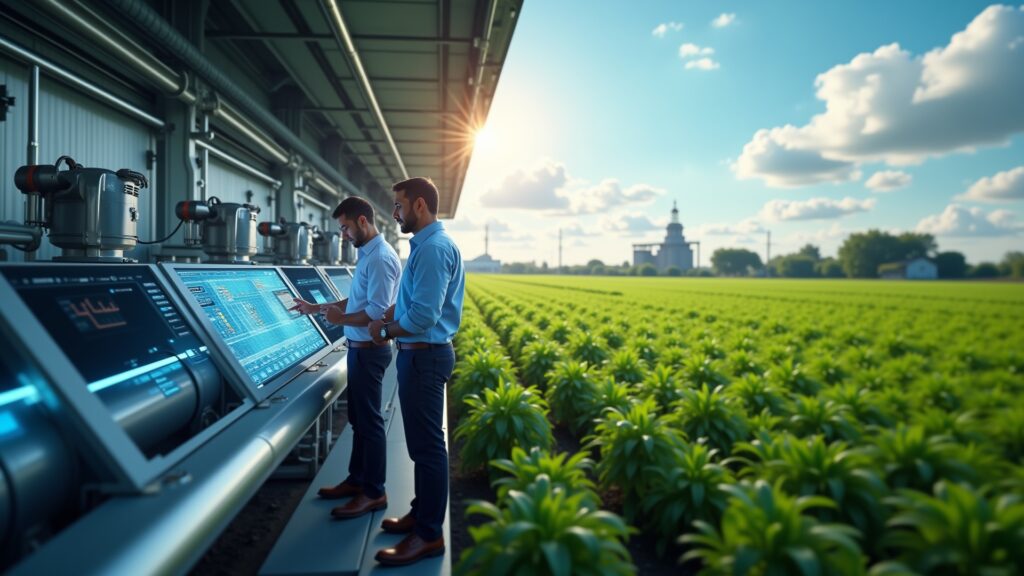
Factories are transitioning from traditional batch processes to connected, sensor-driven smart plants. Real-time monitoring using IoT devices and AI-powered analytics enables predictive maintenance, optimizes energy consumption, and enhances product consistency at scale. Automated quality control and robotics reduce manual errors and accelerate throughput.
Blockchain and cloud technologies are also being deployed to bring traceability and transparency to supply chains, crucial for regulatory compliance and market trust. Together, these innovations enable manufacturers to respond agilely to market demands and evolving farming requirements.
Strategic Impacts on Agribusiness, Policy, and Market Dynamics
From your vantage point, the fertiliser industry’s modernization influences multiple layers:
- Agribusiness Strategy: Data-driven manufacturing equips you to tailor products for specific crop and soil profiles, creating differentiated offerings and new revenue streams.
- Policy Alignment: Smarter, sustainable fertiliser production dovetails with government initiatives on reducing environmental footprints and strengthening food security.
- Market Opportunity: Enhanced production efficiencies lower costs and improve margins, making Indian-produced fertilisers more competitive domestically and for export.
These dynamics reinforce rural economies by supporting farm profitability and promoting sustainable agricultural practices. You stand to gain if your enterprise or portfolio integrates these innovations early, setting you apart in a market expected to grow robustly.
Strategic Analysis: Unlocking Growth Through Innovations
Industry 4.0 in fertiliser manufacturing is more than technology—it’s a strategic lever for systemic improvement. Your understanding should encompass how these innovations enable predictive insights and flexible production that can adapt to climate variability and fluctuating market demands.
Moreover, aligning these capabilities with your supply chain strategy mitigates risks from raw material shortages or price volatility. The capacity to customize and innovate product lines rapidly will empower you to meet evolving farmer needs, increase adoption of precision agriculture, and enhance overall farm productivity.
“In agriculture, timing is rarely just operational — it is strategic.”
“When policy, technology, and farm economics align, growth becomes more scalable.”
Practical Takeaways for Agribusiness Leaders and Investors
- Invest in IoT and AI-based smart manufacturing platforms to enhance production efficiency and product quality.
- Develop partnerships with tech providers for integrating blockchain and cloud systems for supply chain transparency.
- Focus on product innovation tailored to regional agronomic conditions using data analytics.
- Engage with policymakers to shape regulations that support Industry 4.0 adoption and sustainability incentives.
- Monitor emerging market demands for eco-friendly and precision fertilisers to stay ahead of competition.
Expert Perspective: Navigating Change in Agricultural Manufacturing
Industry 4.0 is redefining how fertiliser manufacturing underpins the entire agricultural ecosystem. Smart plants are not simply a cost-cutting tool; they are critical enablers of sustainability and market agility.
As one might observe, “The real opportunity is not in reacting late, but in understanding where the market is moving next.” This proactive adoption will distinguish forward-thinking agribusinesses from those merely maintaining status quo.
Challenges and Risks to Consider
Adopting Industry 4.0 is not without challenges. You must navigate high initial capital investments, workforce upskilling, and integration complexities across legacy systems. Cybersecurity also emerges as a critical concern with increased digitization.
Additionally, aligning technology deployment with India’s regulatory landscape and farmer readiness demands careful strategy. Failure to address these risks could blunt the potential benefits.
What You Should Watch Next
Keep an eye on government policy shifts promoting digital agriculture and green manufacturing incentives. Track emerging standards for smart fertiliser formulations and traceability. Monitor advancements in AI algorithms for predicting crop nutrient needs in real time, which will influence production strategies.
Finally, observe partnership trends between fertiliser manufacturers and agritech startups—these collaborations often signal where innovation and market demand are converging.
Conclusion: The Industry 4.0 Advantage in Fertiliser Manufacturing for Indian Agriculture Growth
Embracing Industry 4.0 technologies in fertiliser and chemical manufacturing offers you a clear path to elevate India’s agricultural growth trajectory through enhanced farm productivity, sustainability, and supply chain efficiency. This integration heralds a strategic shift that you cannot afford to overlook if you aim to maintain competitiveness and drive long-term value in the sector.
By leveraging smart manufacturing, you position yourself at the forefront of an agricultural transformation deeply connected to the future of India’s rural economy and food security.
“The future of agriculture is not automated alone, but intelligently connected.”