












As a leader navigating the complex agribusiness environment in West and Central India, the recent surge in monsoon intensity demands your immediate strategic attention. This four-day blitz of heavy rains is more than just a weather event; it’s a catalyst that will reshape crop cycles, strain supply chains, and challenge the rural markets you depend on. Recognizing and responding to these shifts is critical for safeguarding your investments, optimizing operational resilience, and positioning your business for sustainable growth amid climate volatility.
Why This Monsoon Shift Matters to Your Agribusiness
Your agribusiness ecosystem operates at the intersection of weather sensitivity and market dynamics. When monsoon rains turn fierce, the ripple effects extend from seedbeds to boardrooms. Crop timelines can be disrupted, storage and transportation bottlenecks emerge, and rural economies—central to your supply chains—face inflationary pressures and demand fluctuations. Understanding this event’s multilayered impact empowers you to strategically mitigate risks and harness emerging opportunities that others might overlook.
What Is Happening in West and Central India?
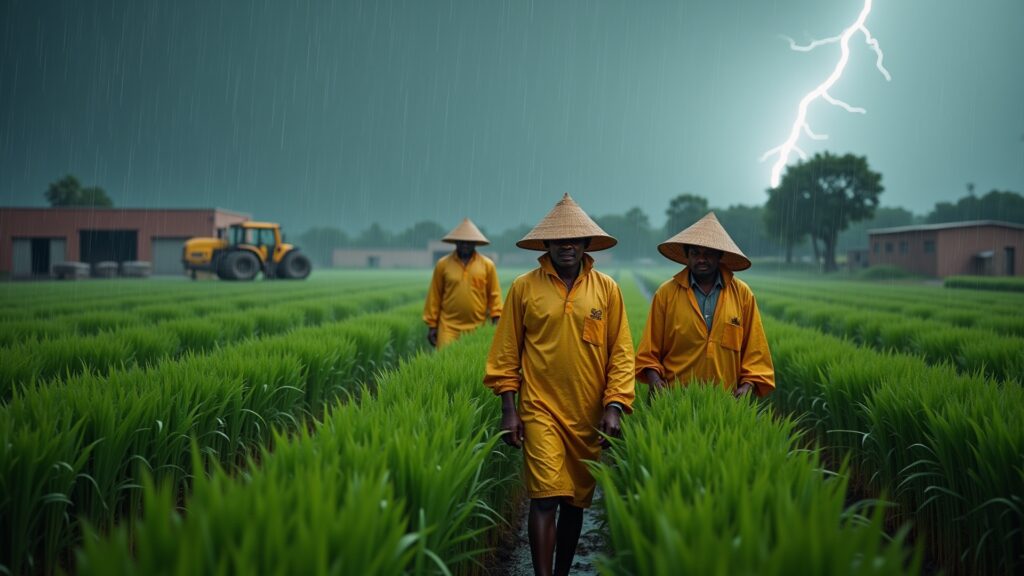
The monsoon’s recent intensification is characterized by sustained intense rainfall across key agricultural belts of West and Central India. This region—integral to India’s diverse crop portfolio including cotton, pulses, soybeans, and horticulture—is experiencing unprecedented moisture levels over a concentrated four-day period. While monsoon rains traditionally support crop growth, excessive rainfall often leads to complications such as waterlogging, delayed sowing and harvesting, and heightened vulnerability to crop diseases. Supply chains are facing delayed logistics as rural roads and connectivity are compromised.
Key Business and Market Implications for Your Agribusiness
- Crop Cycle Disruptions: Delays in planting or harvesting impact yield timelines, requiring you to reassess crop insurance parameters and procurement schedules.
- Supply Chain Vulnerability: Transport and storage challenges escalate costs and disrupt timely market deliveries, especially in perishable commodity segments.
- Rural Economy Pressure: Market demand in rural sectors may fluctuate unpredictably, affecting input availability and local labor markets.
- Investment Risk and Opportunity: Increased climate risk demands smarter capital allocation—favoring companies applying advanced climate risk management and resilient farming practices.
- Policy and Regulatory Focus: Governments may introduce emergency relief measures or policy shifts in response, influencing subsidy flows or market regulations.
Strategic Insights: Turning Climate Challenges Into Competitive Advantage
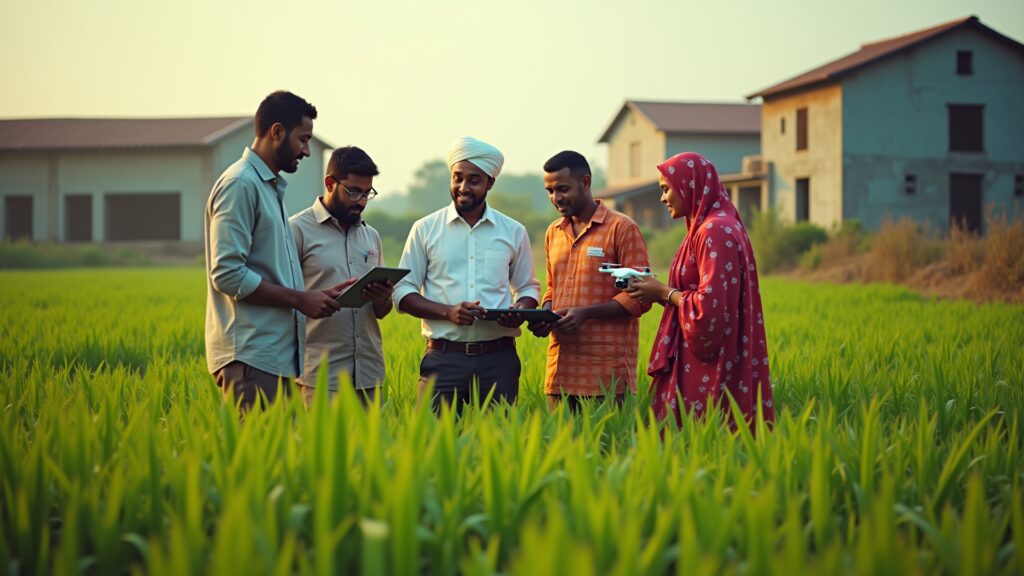
“In agriculture, timing is rarely just operational — it is strategic.” For you, the current monsoon event is a litmus test for how well your enterprise integrates climate risk management into strategic planning. Precision agriculture technologies, real-time weather analytics, and data-driven supply chain management become your allies in reducing unpredictability. Additionally, innovating your portfolio with climate-resilient crop varieties and adaptable farming models can safeguard profitability and reinforce your reputation as a resilient player.
Furthermore, engaging proactively with policymakers can provide early insight into regulatory changes and relief measures. Collaborating with rural stakeholders will be key to maintaining supply chain clarity and operational continuity during this period of heightened uncertainty.
Practical Takeaways: What You Should Do Now
- Monitor Weather and Crop Data: Invest in granular, localized weather forecasting and crop monitoring to anticipate disruptions.
- Adapt Supply Chains: Identify vulnerable nodes and diversify logistics pathways to ensure continuity.
- Implement Climate Risk Management: Prioritize insurance solutions, resilient seed selection, and water management technologies.
- Engage Stakeholders: Maintain open communication with suppliers, farmers, and policymakers to navigate shifts collaboratively.
- Review Financial Strategies: Assess capital allocation for drought or flood-related risk mitigation and innovation investments.
Expert Perspective
“The real opportunity is not in reacting late, but in understanding where the market is moving next.”
“When policy, technology, and farm economics align, growth becomes more scalable.”
Risks and Challenges You Should Consider
While you may implement robust strategies, the intensity of monsoon rainfall also brings urgent challenges. Crop failures or delayed yields can impact revenue streams, increasing the need for agile financial buffers. Logistic disruptions might lead to supply shortages or market price volatility. You must also be prepared for market behavior shifts as rural consumers and suppliers adjust to these conditions.
What to Watch as This Scenario Evolves
Keep an eye on evolving government policies related to agricultural subsidies and disaster relief programs. Track advancements in climate-smart agriculture technologies and the adoption rates among your peers and competitors. Observe rural market signals closely, noting shifts in labor availability and commodity pricing. Staying informed on these fronts will guide timely strategic adjustments in your operations and investments.
Conclusion: Positioning Your Farm Business Amid Monsoon Uncertainty
Ultimately, the monsoon impact agriculture presents both a test and an opportunity for your agribusiness in West and Central India. By adopting a forward-looking, climate-resilient approach and leveraging technology-enabled insights, you can protect and enhance your farm profitability and rural market connectivity. Embracing this moment with strategic clarity will shape the future trajectory of your enterprise and the broader agricultural landscape in India’s crucial monsoon regions.