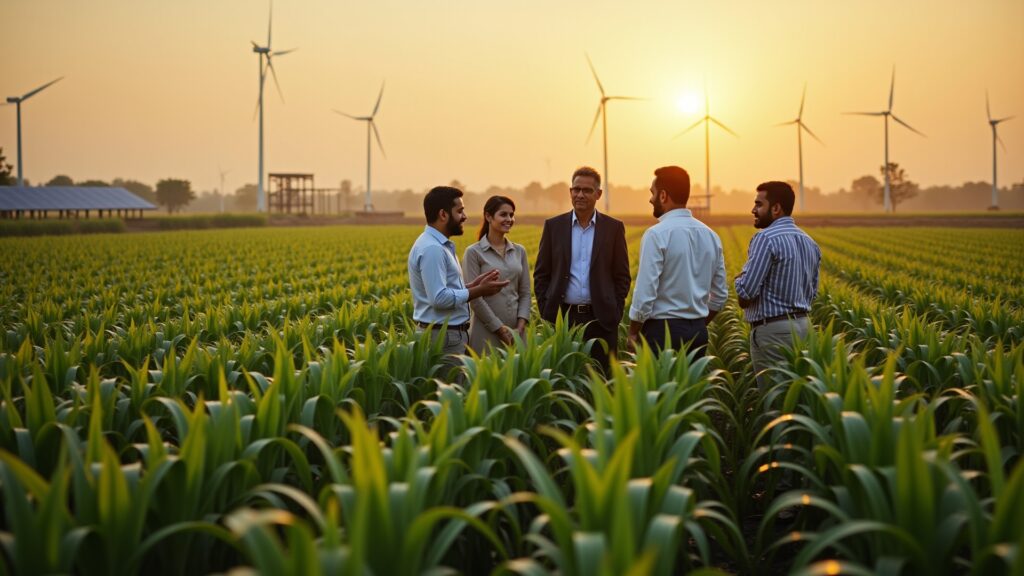
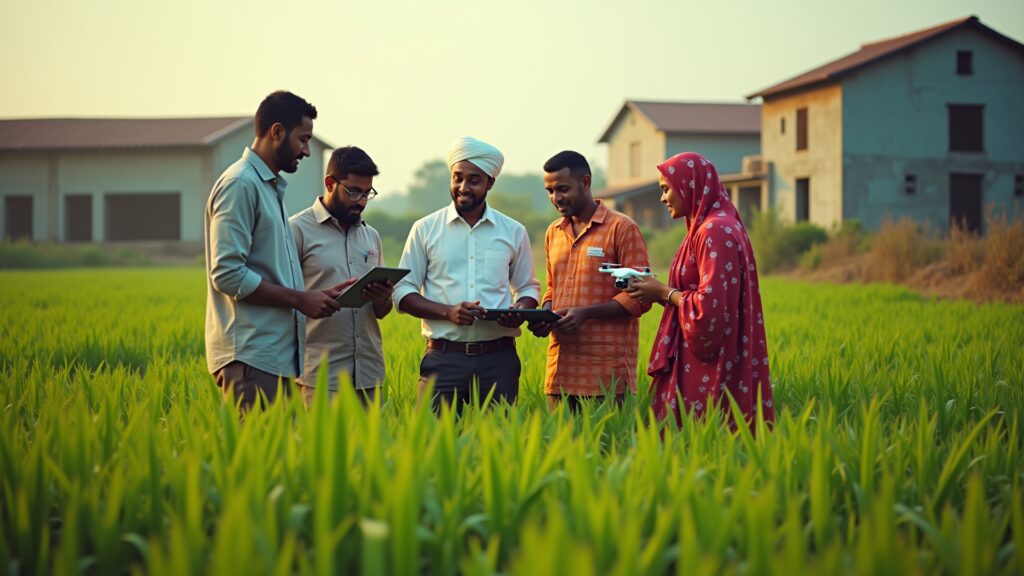












As heat stress increasingly impacts agriculture across Central and East India, you must recognize the urgent implications for your agribusiness. Rising temperatures, a stark symptom of climate change, are reshaping the agricultural landscape and demanding a strategic recalibration of how you manage crop production, supply chains, and rural economies. This is not merely a weather headline; it is a call to action for agribusiness CEOs, investors, and policymakers who must safeguard profitability and long-term sustainability in some of India’s most critical farming regions.
Why This Matters to You
Understanding heat stress agriculture risks in India is vital to stay ahead of operational disruptions and financial losses. For your agribusiness, this means anticipating stress on irrigation systems, altered crop cycles, and the intensified vulnerability of farm labor forces. You are seeing firsthand how unseasonal and prolonged heat waves can jeopardize yields and strain supply chains, influencing everything from commodity prices to rural livelihoods. Adapting to these changes isn’t optional — it is a strategic necessity that impacts your bottom line and market resilience.
What Is Happening in Central and East India?
Heat waves spreading across Central and East India are producing oppressive conditions that elevate heat stress risks across multiple crop types and rural communities. These regions, pivotal for crops such as wheat, rice, pulses, and oilseeds, now face intensified climate pressures. Rising temperatures accelerate evapotranspiration, increasing irrigation demands at a time when water resources are under stress. Crop phenology shifts risk lower productivity and quality, while worker health concerns rise, limiting field labor efficiency.
Key Business and Agricultural Impacts
From a business perspective, these heat stress conditions demand proactive risk assessments throughout your supply chain. Crop productivity risks translate into higher volatility for input suppliers, food processors, and distributors alike. The rural economy suffers when diminished yields or labor shortages reduce community incomes, threatening the sustainability of smallholder farmers who feed into larger agribusiness networks.
Policy frameworks and market strategies will need to adjust rapidly. The rise in climate risk agribusiness scenarios compels innovators and investors to prioritize agritech solutions that enhance heat resilience — from precision irrigation and drought-resistant seed varieties to digital monitoring tools that optimize farming decisions.
Strategic Analysis: Turning Heat Stress Challenge into Opportunity
Facing heat stress requires a strategic shift. This means integrating sustainability and innovation into your core business model. Investing in agritech innovations that improve water-use efficiency and crop resilience protects yield and profitability. At a policy level, advocating for climate-smart agricultural policies can foster better access to finance and extension services tailored to heat stress adaptation.
“In agriculture, timing is rarely just operational — it is strategic.” Your timely decisions on deploying heat-resilient technologies and sustainable farming practices can transform risks into a competitive advantage.
Practical Takeaways for Agribusiness Leaders
- Identify and monitor heat stress thresholds for your key crops using local climate data and agritech tools.
- Invest in drought-resistant and heat-tolerant seed varieties to safeguard against productivity losses.
- Upgrade irrigation infrastructure with precision and water-saving technologies to meet rising evapotranspiration demands.
- Enhance workforce health protocols and scheduling to maintain labor productivity during extreme heat spells.
- Engage with policymakers to support frameworks that promote sustainable, heat-resilient farming practices.
- Keep a close eye on market signals and rural economic indicators that could foreshadow supply chain disruptions.
Expert Perspectives
“The real opportunity is not in reacting late, but in understanding where the market is moving next.”
“When policy, technology, and farm economics align, growth becomes more scalable.”
Risks and Challenges Ahead
While heat resilience offers pathways forward, significant challenges remain. Limited access to capital for smallholders, fragmented supply chains, and delayed policy responses can all amplify risks. Heat stress also exacerbates water scarcity and soil degradation, threatening the very resource base of agriculture. These factors require you to adopt a holistic, multi-stakeholder approach to risk management that includes finance, technology, and community engagement.
What You Should Watch Next
Stay alert to evolving climate models predicting the severity and duration of heat waves. Track government policies on climate adaptation incentives and agritech funding. Monitor emerging agritech startups and innovations that address heat and drought resilience. Furthermore, observe shifting rural labor market dynamics as heat stress influences migration and workforce availability.
Conclusion: Embracing Heat-Resilient Agribusiness Practices
Heat stress agriculture India poses unprecedented challenges but also strategic imperatives for your agribusiness leadership. By understanding these evolving risks and aligning your investments, policies, and operational adaptations, you can protect productivity, sustain rural economies, and enhance farm profitability amid rising temperatures. Your proactive, informed approach today will determine how well your agribusiness weathers the climate challenges of tomorrow.
“Sustainability in agribusiness is not a goal, but an ongoing strategic discipline in response to changing environments.”