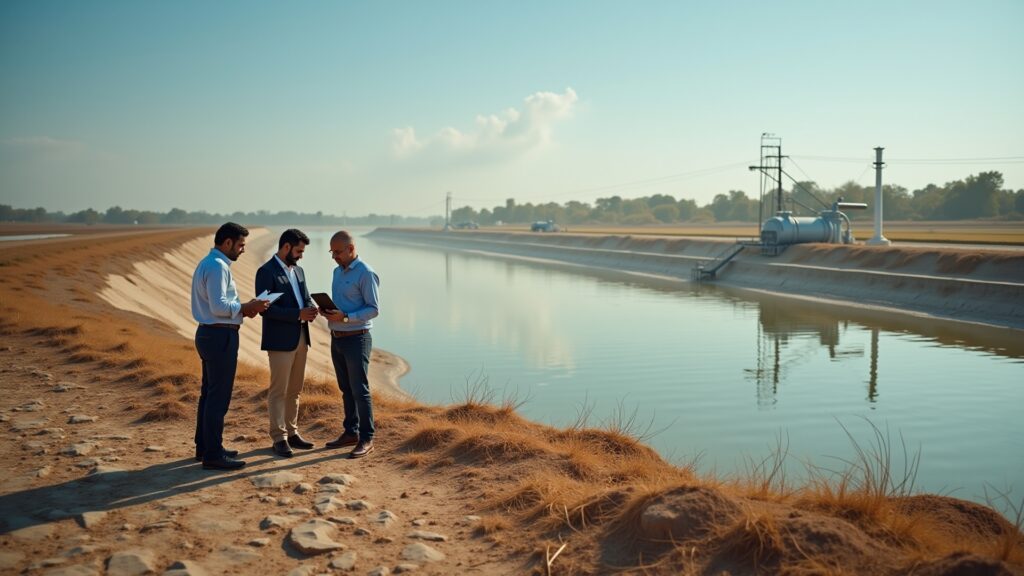













As a leader in the agribusiness sector, you are acutely aware that climatic variables can redefine the contours of your operations overnight. The forecast of extended hot and dry conditions across North-West and Central India is not merely a weather update; it is a strategic signal demanding your immediate attention and action. These dry conditions in India pose direct risks to your crop yields, water resource management, supply chain stability, and ultimately, farm profitability and rural economic health.
Why This Matters to You
In your role, the ability to anticipate and mitigate climate risks such as drought is critical to maintaining business resilience. Your investment decisions, operational strategies, and partnerships hinge on reliable agricultural productivity and stable input-output dynamics. The persistence of high temperatures combined with a lack of rainfall elevates uncertainty in commodity prices, disrupts supply chains, and challenges sustainability commitments. Ignoring the signs or delaying your response could undermine years of growth and innovation in your agritech or farming enterprise.
Understanding What Is Happening
The meteorological outlook projects that North-West and Central India will continue to experience pronounced dry spells with elevated temperatures extending for at least another week. This climatic stress largely affects states pivotal to India’s grain and oilseed production. These conditions exacerbate soil moisture depletion, reduce water availability for irrigation, and increase evapotranspiration rates, severely impacting crop health and stage-appropriate interventions.
Key Business, Agricultural, and Market Impacts
- Crop Yields and Quality: Prolonged drought leads to yield reductions in crucial crops such as wheat, mustard, and pulses, limiting both volume and quality, which directly affects market prices and export potential.
- Supply Chain Disruptions: Reduced availability of raw materials sends ripples through processing units, logistics networks, and distribution channels, posing inventory shortages and cost escalations.
- Farm Finance and Credit Risk: Increased crop failures heighten credit default risks and strain financial institutions and agribusiness lenders, complicating risk modeling and insurance underwriting.
- Rural Economy and Livelihoods: Reduced agricultural output diminishes wage and farm income, compelling migrant labor flows and eroding rural purchasing power, which can indirectly suppress agribusiness demand.
- Policy and Regulatory Focus: Heightened drought conditions may prompt government interventions around subsidies, water use regulations, and drought relief schemes, altering the agribusiness landscape.
Strategic Analysis: Turning Risk Into Opportunity Through Innovation
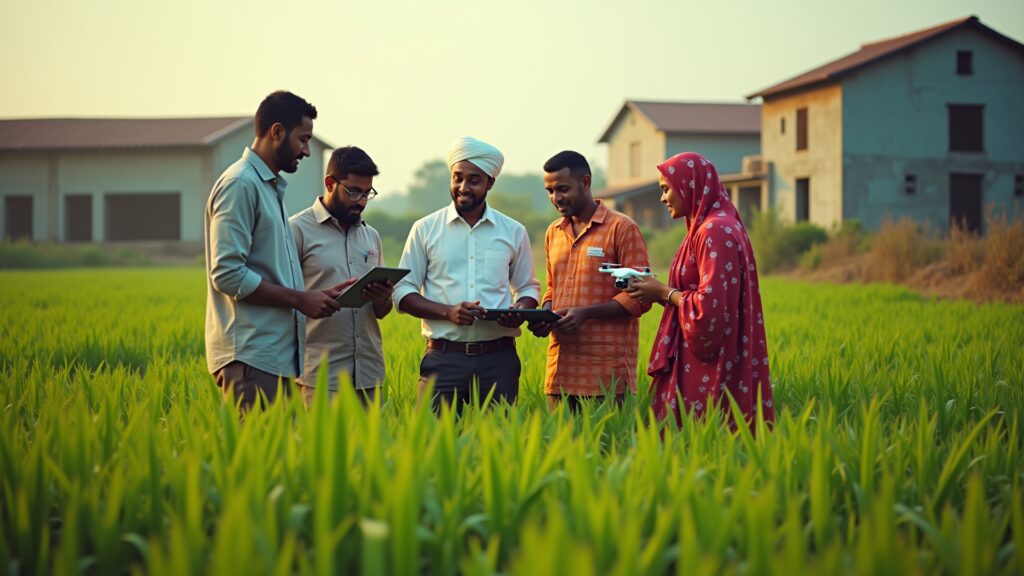
Confronting the drought challenge requires a multi-dimensional approach where you leverage technology, policy engagement, and financial innovation. Agritech solutions—ranging from precision irrigation systems and soil moisture sensors to AI-enabled drought prediction models—can enable you to optimize water use efficiency, monitor crop health in real-time, and make informed resource allocations. Integrating such technologies not only enhances resilience but also positions your business at the forefront of agritech-driven sustainability.
Simultaneously, aligning policy advocacy with drought management priorities can open avenues for support around water governance reforms and capital incentives. You also benefit by revisiting supply chain strategies to diversify sourcing and build buffer inventories that reduce reliance on vulnerable regions.
“In agriculture, timing is rarely just operational — it is strategic.”
Practical Takeaways for Agribusiness Leaders
- Enhance Drought Monitoring: Invest in advanced agritech tools that provide early warning signals and granular field data tailored for your crop and region.
- Optimize Water Management: Deploy precision irrigation and water-saving agronomic practices to conserve critical resources and safeguard yields.
- Engage with Policy Frameworks: Stay proactive in understanding government drought relief measures and advocate for policies that reinforce sustainable water use and climate resilience.
- Prepare Financial Contingencies: Revisit your risk management and farm finance structures to accommodate potential credit challenges during drought cycles.
- Strengthen Supply Chain Resilience: Diversify supplier bases and explore alternative sourcing to shield your operations from localized climatic shocks.
“The real opportunity is not in reacting late, but in understanding where the market is moving next.”
Risks and Challenges Ahead
Despite your best efforts, the unpredictable nature of climate events such as these dry spells can outpace your mitigation strategies. Water resource depletion may escalate competition among stakeholders leading to regulatory bottlenecks and conflict. Furthermore, smallholder farmers—key pillars of the rural economy—face disproportionate impacts, threatening the broader agribusiness ecosystem you depend upon. You must remain vigilant of these dynamics and integrate social sustainability into your business response.
What You Should Watch Next
Keep a close watch on updated meteorological advisories, government drought management policies, and advances in agritech solutions tailored for water-stressed environments. Tracking commodity prices, input costs, and rural economic indicators will also provide early signals for adjusting your operational strategies. Collaborations with research institutions and technology providers can accelerate your learning and innovation cycles.
“When policy, technology, and farm economics align, growth becomes more scalable.”
Conclusion: Navigating Climate Risk for Sustainable Agribusiness Growth
Prolonged dry conditions in North-West and Central India present a complex challenge that intersects climate risk, agritech innovation, policy direction, and rural economic wellbeing. As a discerning agribusiness leader, your strategic response will define not only your survival but your capacity to thrive amid mounting climate volatility. By embracing adaptive technologies, influencing policy, and fortifying supply chains, you position your enterprise to not just endure the drought impact but to emerge stronger and more sustainable.
Integrating climate risk management into your core business strategy today is imperative for securing a resilient and profitable agricultural future in India’s evolving landscape.