












Your role as a leader in agribusiness places you at the frontier of strategic shifts shaping Indian agriculture. The recent India-Russia partnership to launch a $2 billion urea production facility is a game changer that directly impacts your supply chains, input costs, and investment strategies. This development is more than a bilateral industrial project; it is a critical pivot point for your farm input security and the broader agricultural ecosystem you operate within.
Why This Partnership Should Command Your Attention
For you, whether steering a large agribusiness, guiding investment portfolios in agri sectors, or shaping policies that affect farm economies, this move signals enhanced control over fertilizer availability—a historically volatile and crucial input. The facility stands to reduce India’s dependency on erratic imports, especially amid geopolitical and economic uncertainties impacting global fertilizer markets. Stabilizing urea supply means you can better predict input costs, enhance profit margins, and scale sustainable practices with greater confidence.
Understanding the India-Russia Urea Production Facility Initiative
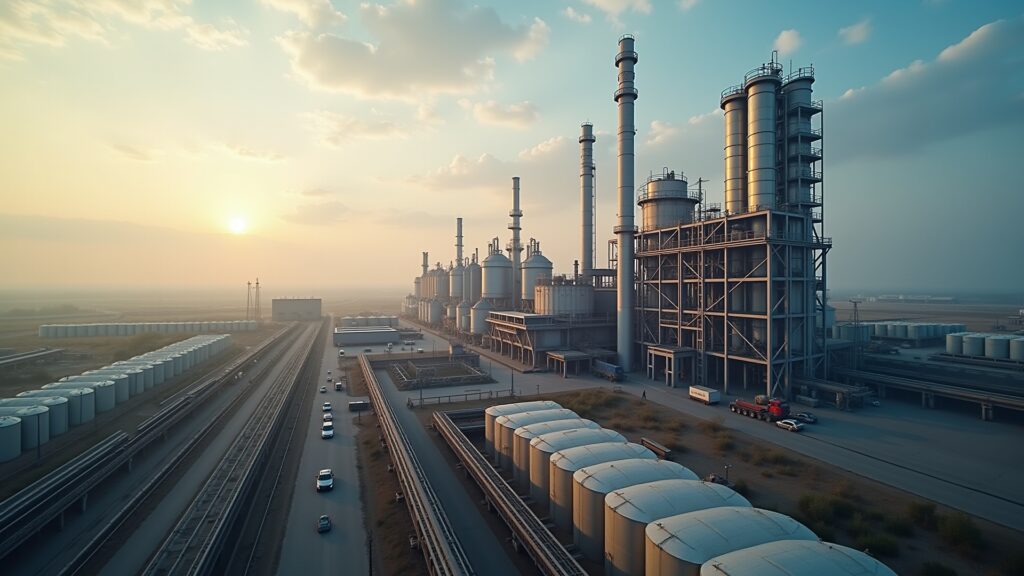
The collaboration anchors a $2 billion investment into a cutting-edge urea manufacturing plant, marking a strategic alliance between India and Russia. This is not just an infrastructure project; it’s an integrated approach to securing farm inputs amid global supply disruptions and market price fluctuations. By domesticating a significant portion of urea production, India aims to shield its agriculture sector from external shocks and translate this resilience into a competitive advantage.
Key Business and Market Implications for Agribusiness Leaders
- Input Cost Stabilization: Managing fertilizer price volatility can significantly improve operational budgeting and risk management.
- Supply Chain Security: Reduced reliance on imports bolsters supply chain resilience, ensuring uninterrupted production cycles.
- Market Competitiveness: Improved access to affordable urea enables you to offer competitively priced agricultural outputs, enhancing market positioning.
- Investment Attraction: The project signals government and international confidence in India’s agritech and sustainable agriculture initiatives, attracting further foreign and domestic investment.
- Policy Influence: New regulatory frameworks linked to this partnership might shape fertilizer distribution, subsidy schemes, and sustainability mandates you must navigate.
Strategic Insight: Beyond Production—The Future of Fertilizer and Agritech Synergies
This facility is a blueprint for integrated agribusiness growth that aligns technology, policy, and sustainability. It encourages you to rethink fertilizer sourcing not just as a cost element but as a strategic asset intrinsically linked to innovation in agritech—like precision nutrient management and digital supply chains. This venture strengthens India’s position in global fertilizer markets, potentially opening avenues for exports, technology sharing, and joint ventures that could redefine farm input ecosystems.
“In agriculture, timing is rarely just operational — it is strategic.”
Practical Takeaways for Your Agribusiness Strategy
- Monitor the facility’s production timelines and integration with existing supply chains for timely risk adjustments.
- Assess your fertilizer procurement and inventory policies to leverage expected cost stabilization.
- Incorporate sustainability metrics linked to fertilizer use, as policy reforms may emphasize greener production techniques.
- Explore partnerships or financing opportunities aligned with this multinational collaboration to diversify your investment portfolio.
- Stay informed on government subsidies and regulatory changes affecting fertilizer pricing and distribution.
“The real opportunity is not in reacting late, but in understanding where the market is moving next.”
Anticipating Risks and Challenges
While promising, the project faces geopolitical risks, technology transfer challenges, and market integration complexities. You must remain vigilant about:
- Potential delays in project execution or operational challenges impacting supply timelines.
- Fluctuations in international trade policies between India, Russia, and other global players.
- Adaptation of fertilizer formulations and environmental standards to emerging sustainability norms.
- Price volatility in energy inputs needed for urea production, which could influence operational costs.
What to Watch Next in India-Russia Agribusiness Collaboration
Keep an eye on the facility’s commissioning updates, related agritech innovation announcements, and evolving policy frameworks around farm input security. Expansion of joint ventures in other agricultural inputs and technological domains is also on the horizon, promising diversified strategic opportunities.
“When policy, technology, and farm economics align, growth becomes more scalable.”
Conclusion: Positioning Yourself in the Emerging Fertilizer Landscape
The India Russia urea production initiative offers more than production capacity; it represents a strategic move towards fortified farm input security in India. As you navigate this evolving landscape, leveraging this collaboration to stabilize supply chains and enhance cost efficiencies will be critical. Understanding the intersection of policy, investment, and technology here can empower you to lead decisively in a competitive agribusiness environment. The time to integrate this insight into your strategic planning is now, as this partnership shapes the future contours of India’s agribusiness investment and fertilizer supply chain.