










As a leader or decision-maker in agribusiness or textile manufacturing, your strategic vision must extend far beyond the factory floor into the very fields that feed the fabric industry. India’s textile industry doesn’t exist in isolation—it is inherently linked to its agricultural roots. Its trajectory depends critically on how agricultural innovation, sustainability, and integrated supply chains evolve at the farm level. Understanding this symbiotic relationship is not just curiosity; it’s a strategic imperative for positioning your business at the forefront of global textile markets.
Why This Connection Matters to You
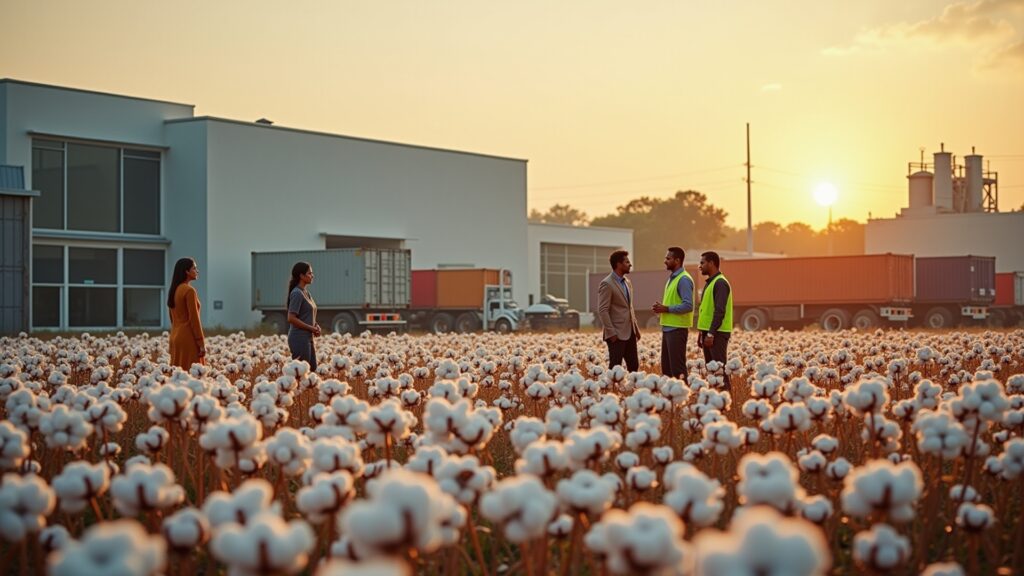
The textile sector is a colossal contributor to India’s economy, providing employment to millions and acting as a significant export earner. But as global demand shifts towards more sustainable and traceable products, your textile business’s future hinges on reshaping supply chains from “farm to fashion.” This means rethinking how fiber crops like cotton and jute are cultivated, processed, and integrated with technology-driven logistics and manufacturing.
For investors and agribusiness leaders, the cropping decisions, yield improvements, and adoption of precision agriculture practices at the farm level directly impact input quality, cost efficiency, and responsiveness to market trends downstream. The rural economy benefits when these supply chains grow robust, creating inclusive prosperity and stabilizing raw material availability.
What’s Driving Changes in the Farm-to-Fashion Supply Chain?
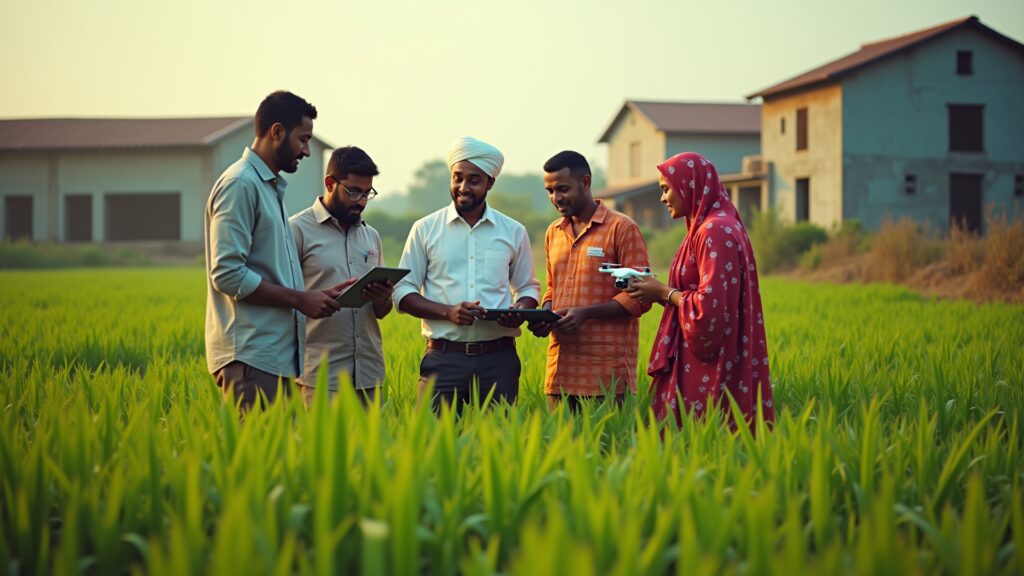
Agritech innovations are transforming traditional agricultural practices, enabling higher productivity while minimizing environmental impacts. From drone-assisted crop monitoring to AI-driven soil analytics, these technologies optimize fiber quality and farm profitability. Crop diversification strategies also reduce dependency on conventional cotton farming, introducing alternative fibers like hemp and organic cotton that meet rising sustainability norms.
On the supply chain front, digitization facilitates real-time tracking, quality control, and streamlined logistics, reducing wastage and ensuring timely delivery of raw materials. This integration fosters transparency, a crucial factor for brands catering to conscious consumers worldwide.
Key Business and Policy Impacts Shaping the Landscape
Policy frameworks supporting sustainable agriculture subsidies, farmer producer organizations, and textile exports shape your competitive environment profoundly. Government incentives encourage adoption of eco-friendly farming, which directly benefits your sourcing strategy by stabilizing input costs and aligning with global sustainability benchmarks.
Market trends indicate growing demand for traceability and ethical sourcing, pushing textile businesses to collaborate closely with the agricultural sector. Your ability to leverage these shifts can unlock new market segments, enhance brand reputation, and improve supply resiliency amid geopolitical uncertainties.
Strategic Insights for You as an Agribusiness or Textile Leader
Building a resilient farm-to-fashion supply chain requires holistic integration across agriculture and textile value chains. Consider the following strategic points:
- Invest in Agritech Collaborations: Partner with agri-technology startups specializing in fiber crop innovations and supply chain digitization to drive efficiency and quality upgrades.
- Support Farmer Empowerment: Engage with farmer producer organizations to enable training on sustainable practices and empower farmers to meet quality standards demanded by textile manufacturers and exporters.
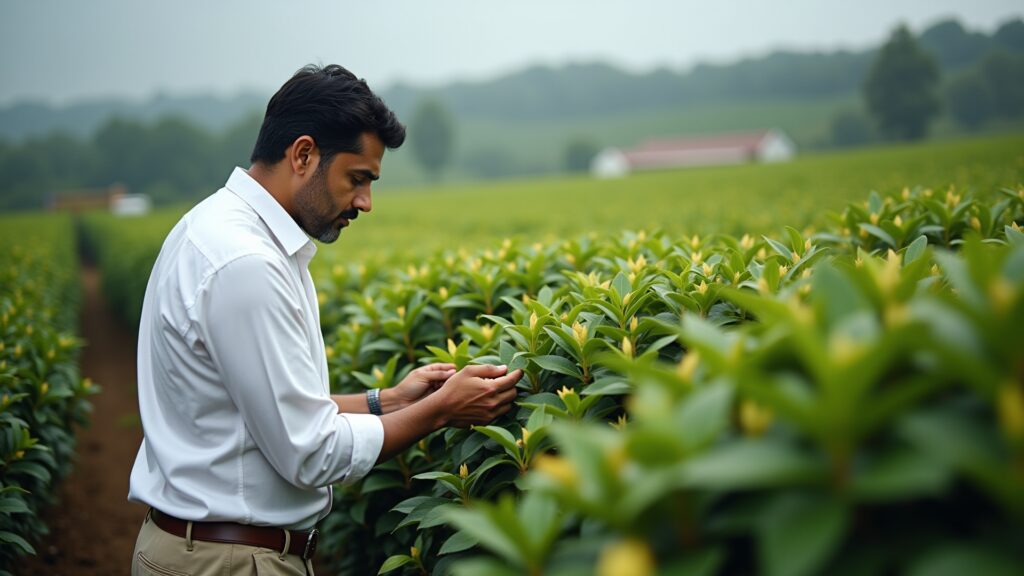
- Focus on Sustainable Crop Diversification: Evaluate alternatives to traditional cotton cultivation that reduce water usage and pesticide dependence, mitigating environmental and regulatory risks.
- Enhance Supply Chain Transparency: Adopt blockchain and IoT-enabled tracking systems that provide verifiable provenance to customers increasingly demanding sustainability credentials.
“In agriculture, timing is rarely just operational — it is strategic.” This highlights the critical need for synchronizing agricultural cycles with textile production timelines to optimize inventory and reduce market risks.
Practical Takeaways for Agribusiness and Textile Investment
- Understand that raw material quality and availability start at the farm, so your sourcing strategies must integrate agricultural innovation insights.
- Monitor government policies on sustainable agriculture and textile exports for opportunities to align your business with regulatory advantages.
- Identify agritech trends that can provide early movers’ advantages in productivity and cost efficiency.
- Consider expanding supply chain partnerships from farms to brands to gain end-to-end visibility and control.
“The real opportunity is not in reacting late, but in understanding where the market is moving next.” This foresight is crucial for maintaining competitive advantage in India’s evolving textile and agribusiness sectors.
Critical Challenges and Risks to Keep in Mind
Despite the promise, transitioning to farm-to-fashion models faces obstacles including fragmented landholdings, inconsistent technology adoption, and supply chain complexities. Weather volatility and climate change further threaten input stability, necessitating investment in resilient agriculture practices.
Moreover, regulatory uncertainties in agriculture and textile trade policies require vigilant monitoring. As a leader, you must balance innovation imperatives with risk management to sustain growth.
What You Should Watch Next
Keep a close eye on emerging policies promoting sustainable textile exports, advancements in agritech tailored for fiber crops, and shifts in consumer behavior towards transparency. These factors will redefine sourcing and production norms, creating new revenue streams and investment opportunities.
Conclusion: Secure Your Position in India’s Textile Future through Agricultural Innovation
Your textile business’s success in India increasingly depends on embracing and influencing agricultural innovation and building integrated farm-to-fashion supply chains. By strategically investing in agritech, sustainable crop practices, and digitized supply networks, you position your enterprise at the nexus of agriculture and industry — ready to meet global demands and sustainability expectations.
In growing your agri-textile ecosystem partnerships, you are fostering not just business growth but also rural economic upliftment and environmental stewardship — essentials for long-term profitability and leadership in a competitive global textile market.
“When policy, technology, and farm economics align, growth becomes more scalable.” Your opportunity is now to leverage this alignment in shaping India’s textile future.