










As a leader navigating the complexities of agribusiness in India, you understand that staying ahead means embracing change not just in farming techniques but also in the critical inputs that underpin agricultural success. The upcoming Specialty Fertilizer Industry Meeting (SOMS) 2026 offers a unique vantage point into how innovation and self-reliance in India’s specialty fertilizer sector are reshaping the landscape for agritech and sustainable agriculture. This evolution matters to you whether you’re a CEO, investor, policymaker, or agritech pioneer because it influences supply chain integrity, cost structures, and ultimately, the profitability and resilience of your agricultural ventures.
Why the Focus on Innovation and Self-Reliance Matters to You
India’s specialty fertilizer sector is at a strategic inflection point. Import dependencies, volatile global markets, and rapidly evolving agritech policies are pushing the sector towards enhanced innovation and indigenous technology development. For your agribusiness or investment portfolio, this means new opportunities to leverage localized, advanced fertilizer solutions that improve nutrient efficiency and crop performance while reducing input costs and supply chain risks. Your decisions today on partnering, investing, or policy advocacy must therefore consider these trends to safeguard competitiveness and growth potential.
What’s Happening at SOMS 2026?
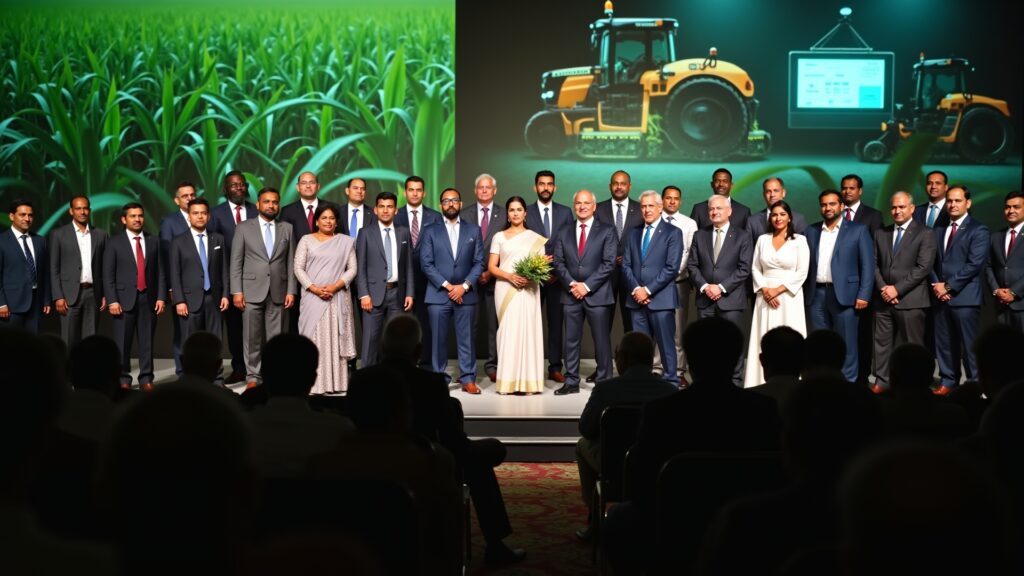
SOMS 2026 has positioned itself as a crucible for pioneering ideas and strategic direction in India’s specialty fertilizer industry. The meeting highlights innovation-driven approaches including advanced formulation technologies, nanotechnology, and bio-fertilizers, alongside a robust push for self-reliance through domestic R&D and manufacturing capabilities. These efforts align tightly with national agricultural policy goals, emphasizing sustainability and supply chain resilience amidst geopolitical uncertainties.
The Intersection of Business, Policy, and Market Dynamics
For agribusiness professionals, SOMS 2026 offers critical insights into how policy frameworks are evolving to support indigenous fertilizer technologies and their commercialization. Market dynamics indicate growing farmer demand for precision nutrition solutions that enhance productivity sustainably. Your strategic planning must integrate these shifts, recognizing how government incentives, import tariffs, and sustainability mandates are influencing market access and cost competitiveness.
“In agriculture, timing is rarely just operational — it is strategic.” Understanding the policy environment surrounding specialty fertilizers lets you anticipate regulatory impacts and position your business to maximize returns.
Deeper Strategic Insights: The Road to Sustainable Fertilizer Innovation
The push for self-reliance is more than a policy slogan; it is a strategic pivot that aligns with global trends towards sustainability and supply chain sovereignty. Developing homegrown fertilizer technologies reduces vulnerability to global price shocks and supply interruptions. For innovators and investors, this translates into long-term value creation through intellectual property ownership and market differentiation.
Moreover, integrating agritech advances such as IoT-enabled nutrient delivery systems and data-driven crop health monitoring can propel the specialty fertilizer market towards precision agriculture. This integration supports both environmental goals and farm profitability, offering you a compelling case to invest in or adopt these technologies early.
“When policy, technology, and farm economics align, growth becomes more scalable.” Keeping a finger on the pulse of these converging drivers will empower your strategic decisions.
Practical Takeaways: Your Strategic Playbook for Specialty Fertilizers
- Understand the Innovation Pipeline: Monitor new fertilizer formulations and agritech advancements emerging from domestic R&D hubs showcased at SOMS.
- Assess Policy Trends: Track regulatory incentives and import policy changes that could affect fertilizer costs and availability.
- Invest in Sustainable Solutions: Prioritize partnerships and investments in suppliers and tech that align with sustainability and self-reliance goals.
- Integrate Technology: Evaluate how IoT and data analytics can optimize fertilizer use efficiency and crop outcomes within your operations.
- Build Supply Chain Resilience: Explore opportunities to source or produce specialty fertilizers locally to mitigate global supply volatility.
Expert Perspective: Navigating Change with Vision
“The real opportunity is not in reacting late, but in understanding where the market is moving next.”
“Self-reliance in specialty fertilizers is as much about innovation ecosystems as it is about raw material sourcing.”
Risks and Challenges to Keep in Mind
Despite promising innovation, challenges persist. Developing competitive indigenous fertilizer technologies requires significant R&D investment and expertise. The transition to new products and systems may face resistance from traditional supply chains and farmers accustomed to conventional fertilizers. Additionally, policy shifts, while supportive, may fluctuate with political cycles, creating uncertainty in long-term planning.
Being aware of these risks means you must maintain agility — diversifying innovation partnerships and staying engaged with policy developments to mitigate exposure.
What to Watch Moving Forward
Your next steps should include closely tracking outcomes from SOMS 2026, particularly announcements around technology commercialization, policy initiatives, and market adoption rates. Watch for emerging startups and technology providers pushing the frontier of specialty fertilizer innovation. Keep evaluating how global supply chain trends influence India’s fertilizer imports and domestic production capabilities.
Conclusion: Positioning for Growth in India’s Specialty Fertilizer Industry
The specialty fertilizer industry represents a critical lever for achieving sustainable agricultural growth and farm profitability in India. Innovation and self-reliance, emphasized at SOMS 2026, are not just themes but strategic imperatives that will define leadership in this space. By aligning your agribusiness strategies with this evolving landscape, you place yourself at the forefront of agritech transformation and supply chain resilience.
Engaging proactively with the trends showcased at SOMS 2026 can help you optimize input efficiency, reduce risk, and capture new growth opportunities within a rapidly innovating market. This approach will enable you to lead with foresight and impact in the specialty fertilizer sector and beyond.