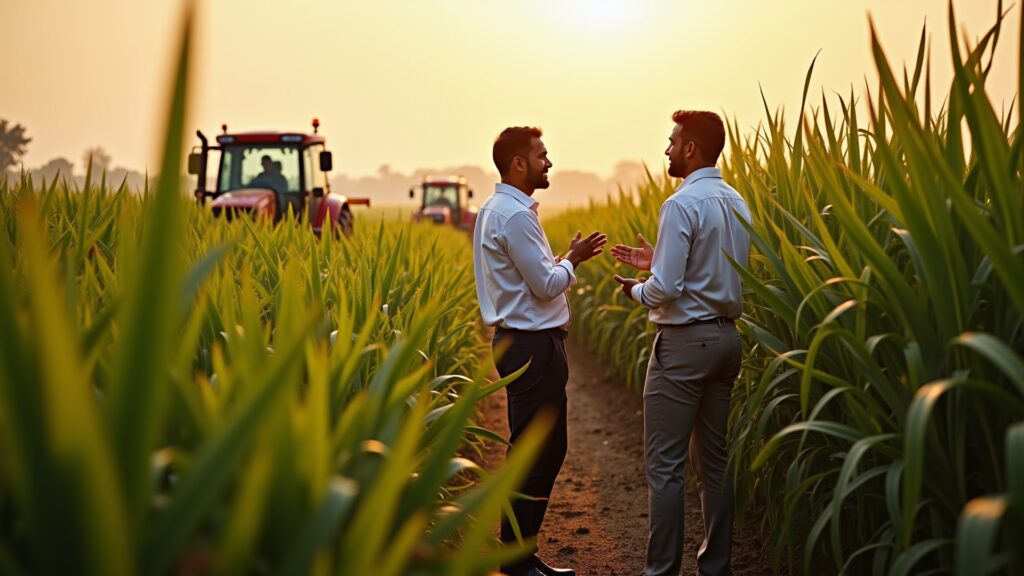
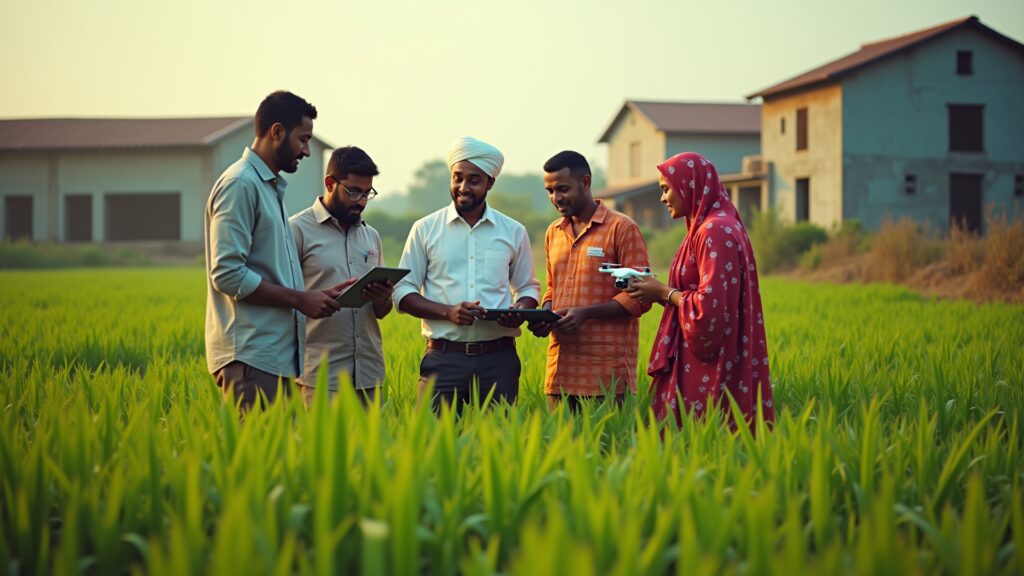
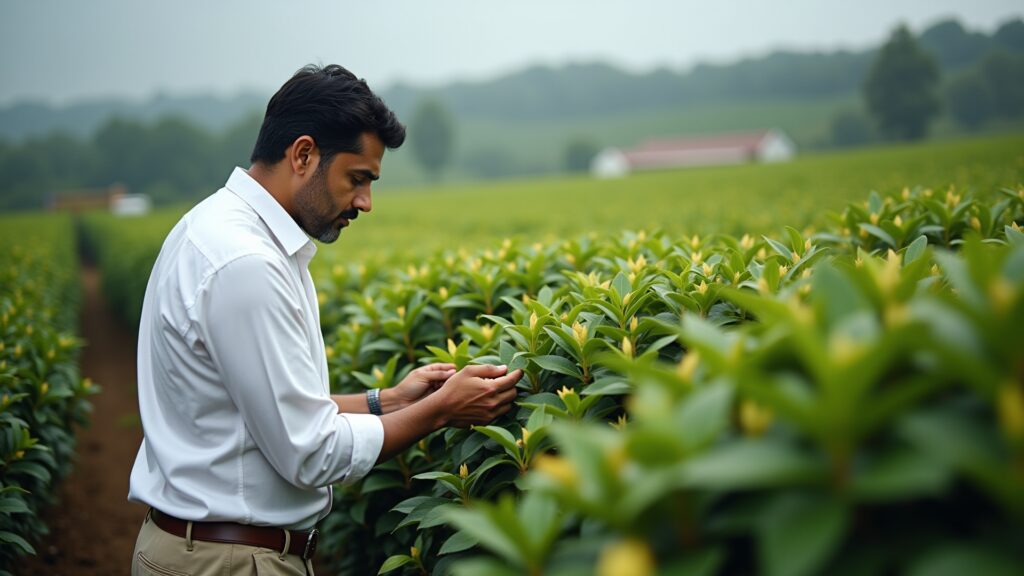







The International Soy Conclave 2026, rescheduled to October 16–17 in Indore, is more than just a date change on your calendar. It represents a critical confluence point for strategy, innovation, and policy discourse in the global and Indian soy agribusiness landscape. As a decision-maker in agribusiness, investment, or agricultural policymaking, this event offers a rare window into the forces shaping the future of one of the world’s most vital oilseed sectors.
Why This Matters to You
Whether you oversee supply chains, manage farm investments, or shape policy interventions, the International Soy Conclave 2026 provides the insight you need to anticipate market shifts and align your strategy accordingly. Soybean’s role extends beyond commodities—it is a linchpin in nutrition, livestock feed, and industrial applications. For your agribusiness, understanding sustainability innovations, trade policy adjustments, and technological breakthroughs in soy cultivation is imperative to staying competitive and profitable.
What Is Happening at the International Soy Conclave 2026
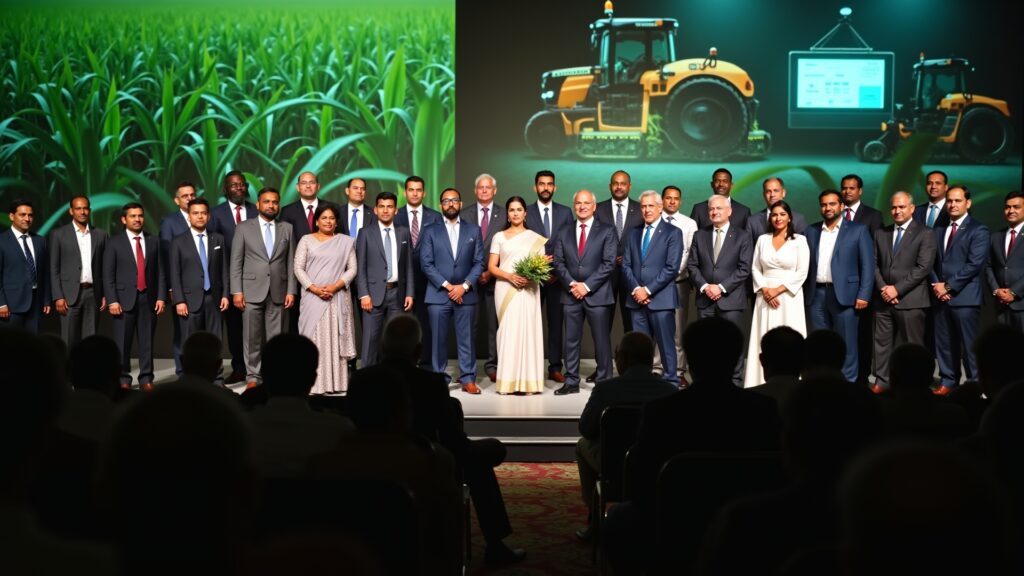
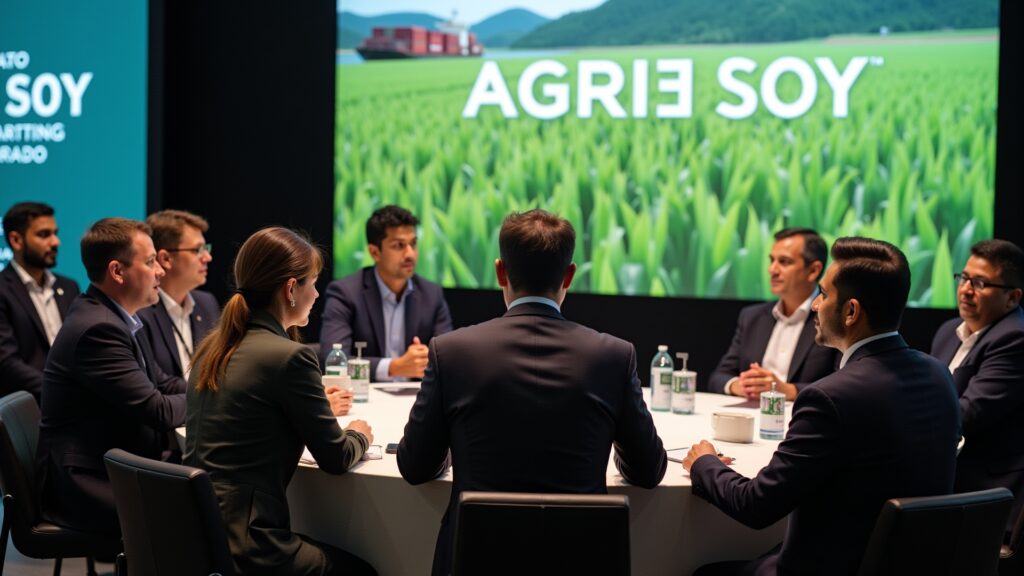
Set in Indore, a strategic hub for Indian agriculture, the conclave will gather CEOs, agribusiness leaders, investors, and policymakers for two days of focused dialogue. The agenda spans critical topics like emerging soy market dynamics, advances in agritech, sustainable farming practices, and the impact of evolving trade policies on both domestic and international soy supply chains. You can expect high-level discussions aimed at identifying investment opportunities and innovation drivers that will dictate the soy sector’s trajectory over the next decade.
Key Business and Policy Impacts
In your role, the conclave’s outcomes will influence several dimensions:
- Supply Chain Resilience: With volatile global markets, focus will be on how to build agility into the soy supply chain, from farm gate to end consumer.
- Trade Policy Evolution: You will gain insights on international negotiations affecting soy exports and imports, critical for your export strategies and market diversification.
- Sustainability and Compliance: Emphasis on sustainable soy farming practices aligns with global ESG trends, affecting access to premium markets and investor preferences.
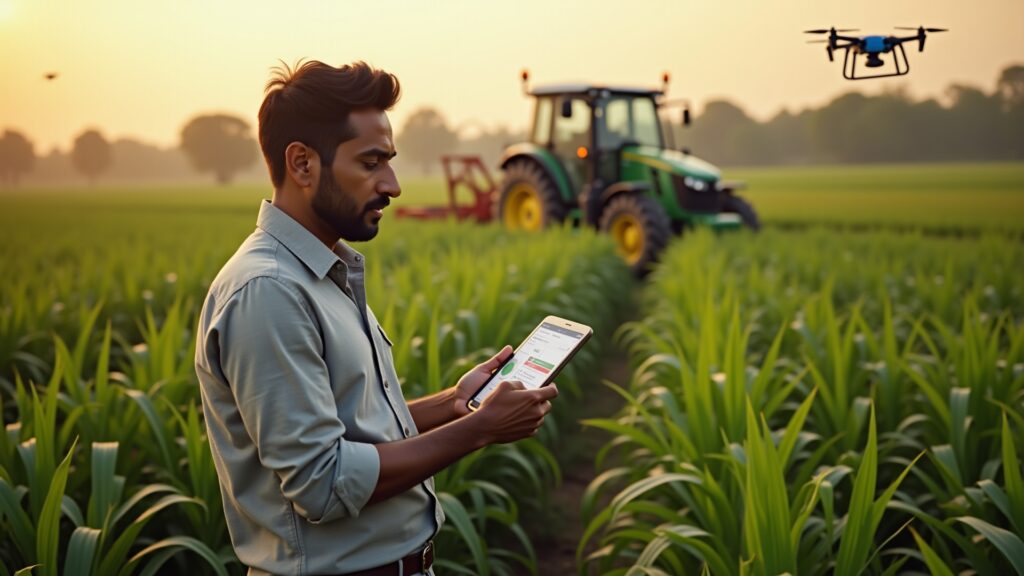
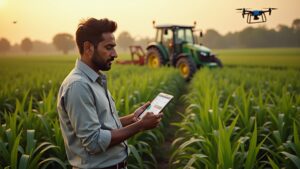
- Technology Integration: The role of agritech in improving yield, reducing input costs, and enhancing traceability will be a major discussion point relevant to your operational efficiency.
Strategic Analysis: What You Need to Know
This conclave is a strategic platform, not just an information exchange. As you prepare, consider how trade policies might pivot in response to geopolitical pressures and climate imperatives. The intersection of policy reform and agritech innovation will shape who leads in soy global markets. You should anticipate that technology-driven sustainability standards will become non-negotiable benchmarks in international sourcing and investment decisions.
“In agriculture, timing is rarely just operational — it is strategic.” This event offers clues about when and where disruptions and opportunities will arise across the value chain.
Practical Takeaways for Your Agribusiness
- Understand the full soy supply chain — from seed genetics to final product markets — and identify leverage points.
- Monitor policy shifts closely, especially trade agreements and sustainability regulations that can impact cost structures and access.
- Invest in agritech solutions that improve productivity and ensure traceability to meet evolving market expectations.
- Engage with industry forums and policymakers to influence frameworks beneficial to soy agribusiness growth.
- Look for partnerships across the value chain to innovate on sustainable practices and expand market reach.
Expert Perspectives to Consider
“The real opportunity is not in reacting late, but in understanding where the market is moving next.”
“When policy, technology, and farm economics align, growth becomes more scalable.”
Risks and Cautions on the Horizon
While the conclave propels optimism, you must weigh risks such as geopolitical trade tensions, climate change impacts on soy yields, and the challenges of implementing new sustainability standards under diverse farming conditions. These factors can disrupt supply and profitability if not managed proactively.
What You Should Watch Next
Post-conclave, track announcements on policy reforms, technology rollout, and trade agreements that will affect the soy market’s regulatory and operational landscape. Pay particular attention to innovations in sustainable farming technologies and evolving consumer demand for traceable, responsibly sourced soy products.
Conclusion: Positioning Your Agribusiness for the Future
The International Soy Conclave 2026 is more than a forum; it is a strategic compass to navigate the complexities of soy agribusiness and trade. By engaging with the insights and connections offered, you can enhance your competitive edge, align with sustainable practices, and capitalize on emerging market trends. This conclave underscores that success in soy agribusiness hinges on your ability to integrate policy awareness, technological innovation, and strategic foresight into your decision-making.
Make sure you leverage this platform to refine your strategies and secure a resilient position in the evolving global soy landscape.